The global pharmaceutical industry depends on a steady supply of high-quality active pharmaceutical ingredients (APIs) to manufacture consistent and reliable medicines. Pirfenidone API is a specialized pharmaceutical ingredient used in approved medicines for certain forms of pulmonary fibrosis. As pharmaceutical companies expand their sourcing networks across international markets, the role of a dependable Pirfenidone API exporter becomes increasingly important for maintaining an efficient and well-organized supply chain.
What Is Pirfenidone API?
Pirfenidone is a synthetic pyridone compound with antifibrotic and anti-inflammatory properties. It is used as an active ingredient in medicines intended for certain pulmonary fibrotic conditions, including idiopathic pulmonary fibrosis, subject to applicable regulatory approvals.
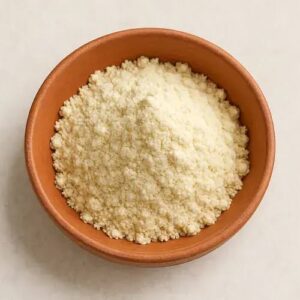
Pirfenidone API is supplied to qualified pharmaceutical manufacturers for use in the production of approved finished dosage forms. Consistent API quality is essential because manufacturers need raw materials that meet predefined specifications and support reproducible production processes.
Role of a Pirfenidone API Exporter
A Pirfenidone API exporter facilitates the international movement of pharmaceutical-grade active ingredients from manufacturers or approved sources to customers in overseas markets. Exporters may coordinate product sourcing, quality documentation, packaging, logistics, and international shipping requirements.
For pharmaceutical buyers, an experienced exporter can simplify cross-border procurement by helping coordinate the documentation and transportation processes associated with international API shipments. This can be particularly useful when buyers have specific market, packaging, or regulatory requirements.
Importance of API Quality
Quality is a key consideration when sourcing Pirfenidone API internationally. Pharmaceutical companies generally evaluate API batches against established specifications covering relevant characteristics such as identity, assay, purity, and other applicable quality parameters.
A professional exporter should be able to provide appropriate technical documentation from the manufacturing source. Depending on the buyer’s requirements, this may include a Certificate of Analysis, product specifications, safety information, batch details, and other relevant documents.
Clear documentation helps buyers assess incoming materials and complete their internal supplier qualification procedures.
Manufacturing and Quality Assurance
The reliability of an exporter is closely connected to the quality systems maintained by the API manufacturing source. Buyers should therefore consider the manufacturer’s production capabilities, quality-control procedures, analytical facilities, and documentation practices.
Controlled manufacturing processes can help maintain batch-to-batch consistency. Quality assurance systems may cover raw material management, process monitoring, laboratory testing, equipment controls, traceability, and product release procedures.
International buyers should also consider the regulatory expectations of their destination market when evaluating a Pirfenidone API exporter.
Packaging and International Shipping
Proper packaging is essential when transporting APIs across international borders. Pirfenidone API should be packed according to its product requirements and applicable transportation standards. Packaging should help protect the material from contamination and unsuitable environmental exposure.
Accurate labeling is equally important. Product identification, batch information, quantity, handling details, and other required information should be clearly presented on the shipment.
An experienced exporter can also coordinate shipping documentation, customs-related paperwork, and logistics arrangements to help facilitate international delivery.
Choosing a Reliable Pirfenidone API Exporter
Pharmaceutical companies should evaluate exporters based on objective quality, technical, and logistical criteria. Important factors may include manufacturing source, quality documentation, export experience, production capacity, packaging standards, delivery reliability, and communication.
Buyers should clearly communicate their required specifications, order quantities, destination market, documentation needs, and expected delivery schedule. Reviewing these details before placing an order can reduce misunderstandings and support a more efficient procurement process.
Long-term supply relationships can be strengthened through transparent communication, consistent quality, accurate documentation, and dependable delivery performance.
Conclusion
A reliable Pirfenidone API exporter can play an important role in connecting pharmaceutical manufacturers with international sources of pharmaceutical-grade active ingredients. Quality assurance, technical documentation, suitable packaging, regulatory awareness, and efficient logistics are all important elements of successful API exports. By carefully evaluating manufacturing sources and export capabilities, pharmaceutical companies can establish dependable procurement channels for Pirfenidone API and support consistent production of approved pharmaceutical products.