employee benefits during notice period
Employee benefits during notice period are an important consideration for both employers and employees when a termination or resignation occurs. The notice period serves as a transitional phase where the employee continues to work or receives compensation while preparing to leave the organization. During this time, certain benefits often continue, reflecting both legal obligations and company policies. Understanding what constitutes employee benefits during notice period helps ensure that employees receive what they are entitled to and that employers maintain compliance with labor laws.
Typically, employee benefits during notice period include salary, leave entitlements, and health coverage. Most employers are legally required to pay the regular salary for the duration of the notice period, even if the employee is not actively required to work. This ensures that the employee is financially supported while transitioning out of the role. In some cases, companies may opt for a payment in lieu of notice, providing the employee with the equivalent monetary compensation instead of requiring them to continue working. Regardless of the method, the salary component remains a fundamental employee benefit during notice period.
In addition to salary, accrued leave benefits such as paid vacation or sick leave may continue to apply during the notice period. Employees who have accumulated leave days are often allowed to utilize them during the notice period or may receive a payout for any unused leave. This aspect of Employee benefits during notice period ensures that workers are compensated for time they have already earned, reflecting a fair treatment of accrued entitlements. Certain policies may also extend other forms of leave, including personal or special leaves, depending on company rules and applicable labor laws.
Health and insurance benefits frequently remain active during the notice period, allowing employees to retain coverage until their official last day of employment. Medical, dental, or life insurance policies may continue to provide protection during this transitional phase. This inclusion of health benefits is a critical aspect of employee benefits during notice period because it ensures continuity of care and mitigates potential risks associated with sudden loss of coverage. Some companies even extend certain benefits slightly beyond the notice period to facilitate a smoother transition for the departing employee.
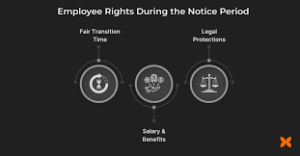
What are employee benefits during notice period?
Other benefits that may continue include retirement contributions, bonuses, and stock options, depending on the employer’s policies and contractual agreements. Employers might continue contributing to pension plans or other retirement schemes during the notice period, helping employees maintain their long-term financial planning without disruption. Performance-related bonuses or incentive payouts may also be calculated based on the period worked, further emphasizing the importance of understanding employee benefits during notice period.
It is important for both employers and employees to clearly understand the scope of benefits during this phase. Employment contracts, company policies, and labor regulations provide the framework for these entitlements. Employees should ensure that they are aware of their rights regarding compensation, leave, insurance, and other benefits. Employers, on the other hand, must handle the notice period professionally, ensuring that all employee benefits during notice period are provided accurately and on time. Proper management of these benefits fosters goodwill, maintains legal compliance, and ensures a smooth transition for both parties.
In conclusion, employee benefits during notice period cover a range of entitlements, including salary, leave, health coverage, and retirement contributions. These benefits are crucial for protecting employees’ financial and personal well-being during the transition out of an organization. Clear communication and adherence to legal and company guidelines ensure that these benefits are delivered effectively, reflecting fair treatment and professional management of employment transitions.